
About Functional Devices Inc / Rib
Functional Devices manufactures control interface products designed for HVAC, building automation, and electrical control applications. Its product portfolio includes relays, current sensors, power supplies, interface modules, and control accessories.
Functional Devices relays are engineered to provide dependable switching performance and simplified integration into control systems. Compact designs and preconfigured options help reduce installation time and improve reliability.
The brand's interface modules and sensors are designed to improve system communication and control functionality. Durable construction helps support long-term operation in demanding environments.
Whether you need relays, interface modules, or building automation components, ChatMRO helps businesses source the right Functional Devices products quickly and efficiently. Our team supports RFQ submissions, bulk purchasing requirements, and hard-to-find control products sourcing.
Product categories
24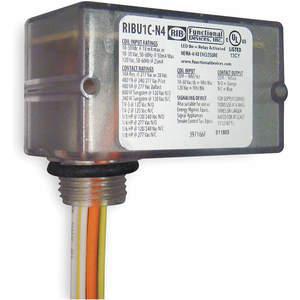 Prewired Relays
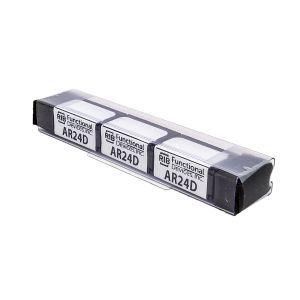 Safety Relays
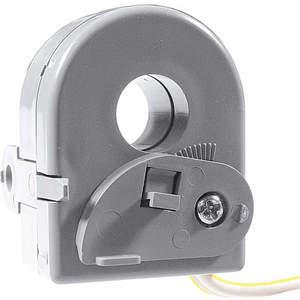 Current Sensor Relays
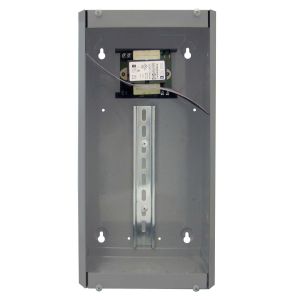 AC Power Supplies
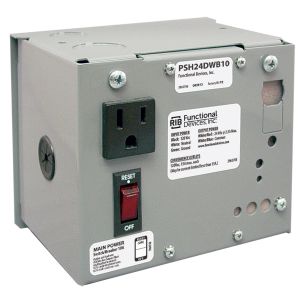 DC Power Supplies
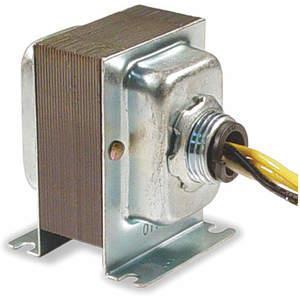 Class 2 Transformers
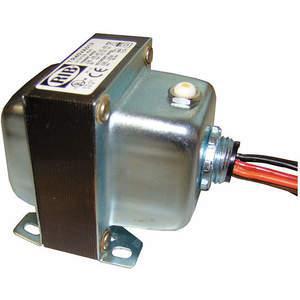 Control Transformers
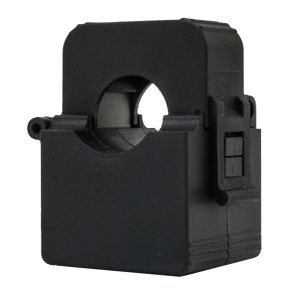 Current Transformers
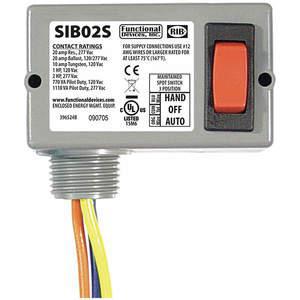 Specialty Switches
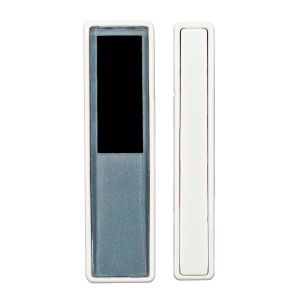 Wireless Wall Switches
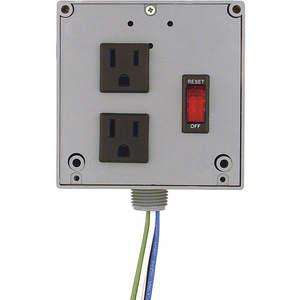 Safety and Disconnect Switches
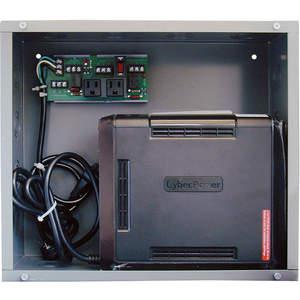 UPS Systems
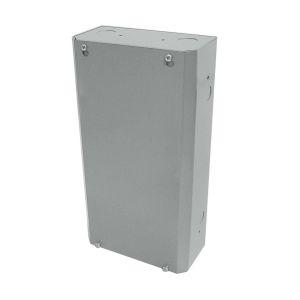 Electrical Safety Boxes
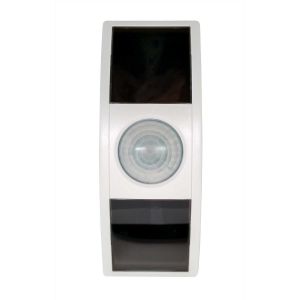 Wireless Motion Sensors
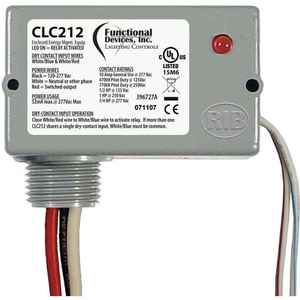 Lighting Control System Components
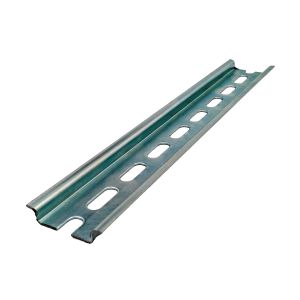 Relay Accessories
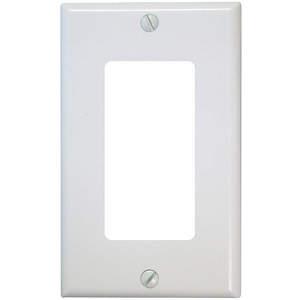 Switch Accessories
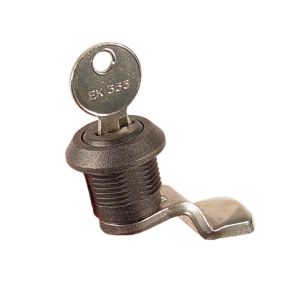 Enclosure Accessories
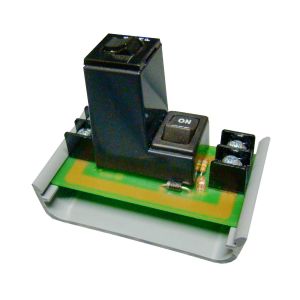 Circuit Breaker Accessories
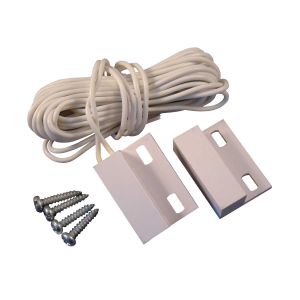 Lighting Control System Accessories
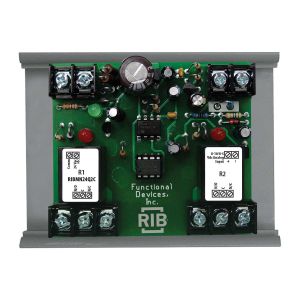 Adjustable Frequency Drive Accessories
 Refrigerator and Freezer Accessories
- UPS and Surge Suppression Device Accessories
- Capacitors
Frequently asked questions
What relay specifications should be reviewed before selecting a Functional Devices relay?
Coil voltage, contact ratings, switching requirements, enclosure type, and application environment should be confirmed.
How do isolation relays improve control system reliability?
Isolation relays protect sensitive control circuits and simplify integration between different control voltages and devices.
What factors affect relay service life?
Electrical load, switching frequency, environmental conditions, and installation quality all influence longevity.