
About Parker
Parker manufactures motion and control technologies designed for fluid handling, pneumatic, hydraulic, and industrial automation applications. Its product portfolio includes hydraulic hoses, fittings, valves, cylinders, filters, regulators, quick disconnect couplings, and pneumatic components. Parker hydraulic hoses and fittings are engineered to handle high operating pressures, temperature fluctuations, and demanding industrial environments while maintaining leak-free performance. Available in a wide range of sizes, pressure ratings, and material constructions, these products support reliable fluid transfer in hydraulic power systems. Their precision-engineered connections help reduce downtime, simplify maintenance, and improve system efficiency.
The brand's valves and motion control components are designed to provide accurate regulation of pressure, flow, and direction within hydraulic and pneumatic circuits. Features such as low-pressure drop, high cycle life, and robust sealing technologies help ensure consistent performance across a variety of industrial applications.
Whether you need Parker hoses, fittings, valves, or fluid power components, ChatMRO helps businesses source the right products quickly and efficiently. Our team supports RFQ submissions, bulk purchasing requirements, and hard-to-find industrial parts sourcing to help minimize downtime.
Product categories
226 PEX Tubing
 Faucet Repair Parts
 Sockets
 Wire Connectors
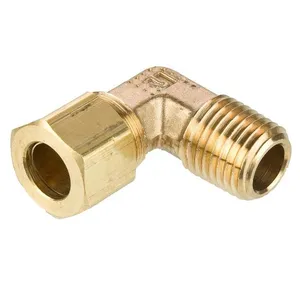 Hazardous Location Conduit Fittings
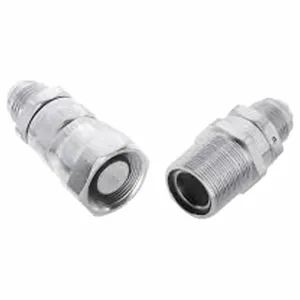 A/C Refrigeration Accessories
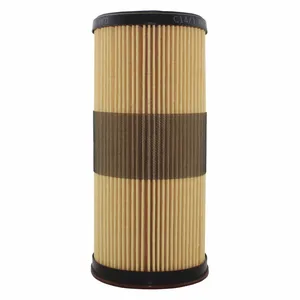 Oil Air and Fuel Filters
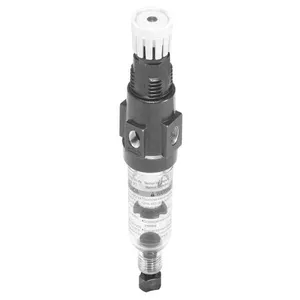 Regulators
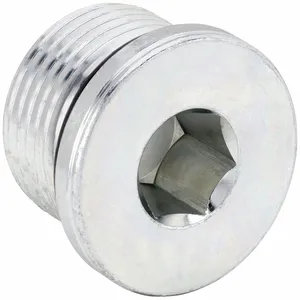 Black Pipe Fittings
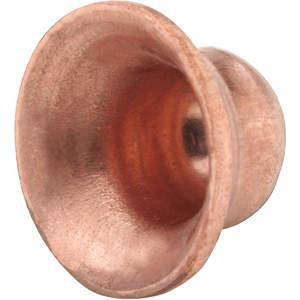 Bonnets and Pads
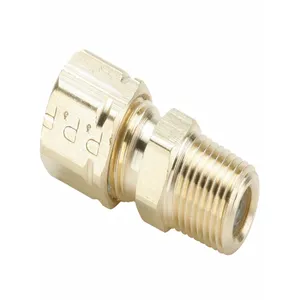 Bulkhead Tank Fittings
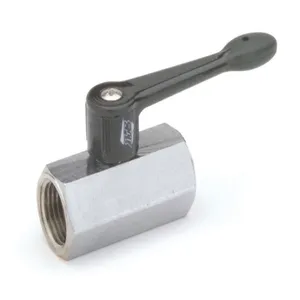 Pneumatic Actuated Ball Valves
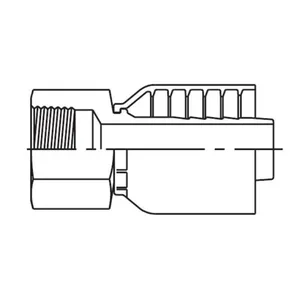 Grease Pumps
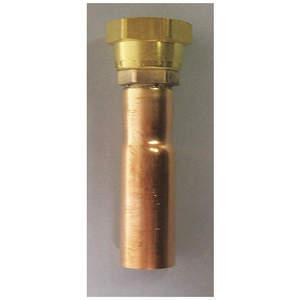 Refrigerator and Freezer Accessories
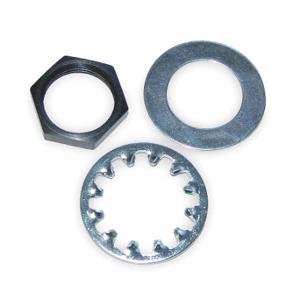 Hydraulic Tool Accessories
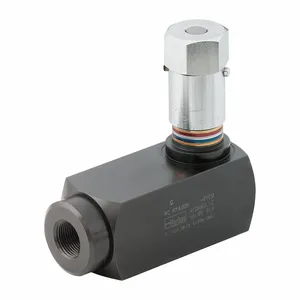 Hydraulic Tool Flow Control Valves
 Plumbing Specialty Tools
 Clamp Accessories
 Durometers
 Pneumatic Lockout Valves
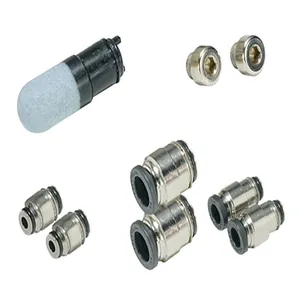 Pneumatic Muffler
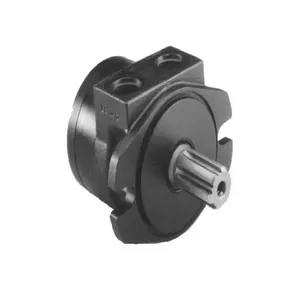 Air Motors
 O-Rings
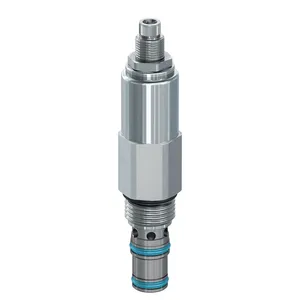 Water Pressure Reducing Valves
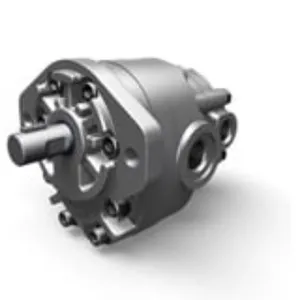 Hydraulic Gear Pumps
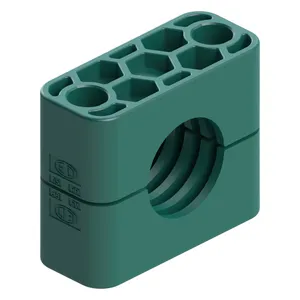 Polypropylene Pipe Fittings
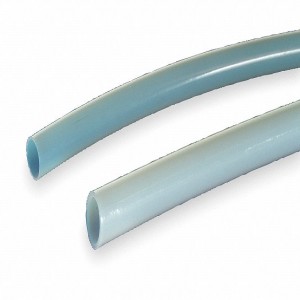 PTFE Tubing
 Nuts and Washers
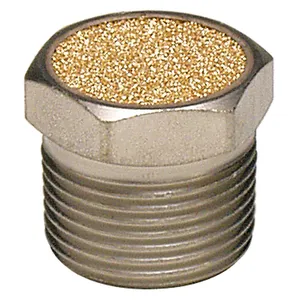 Breathers and Vents
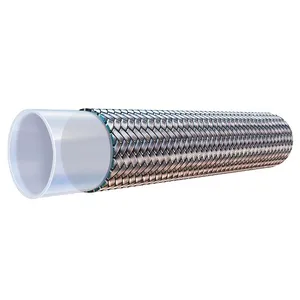 Food Hoses
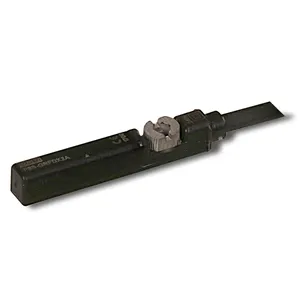 Pneumatic Actuators
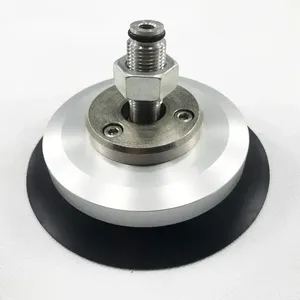 Manual Lifting and Mounting Suction Cups
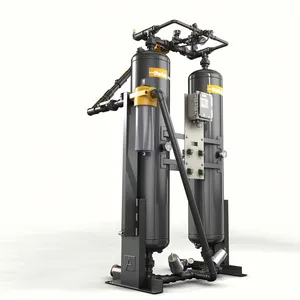 Regenerative Desiccant Compressed Air Dryers
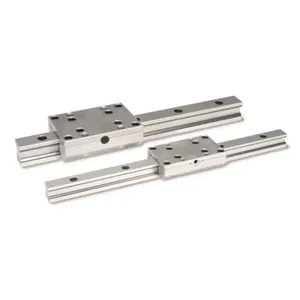 Linear Guide Rails
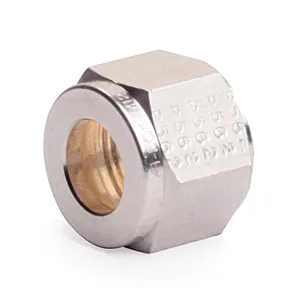 Flexible Air Fittings
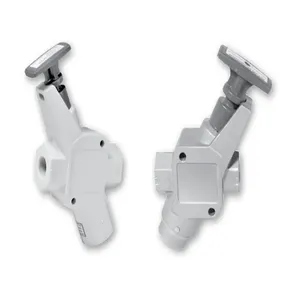 Vacuum and Pressure Relief Valves
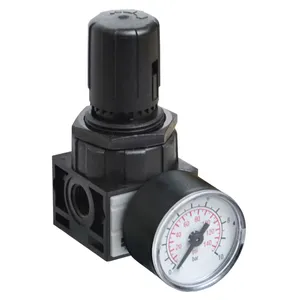 Electronic Proportional Regulators
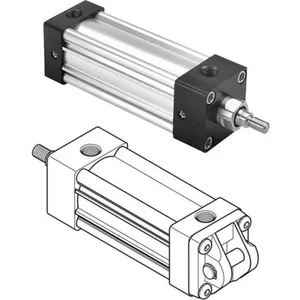 Hydraulic Cylinder
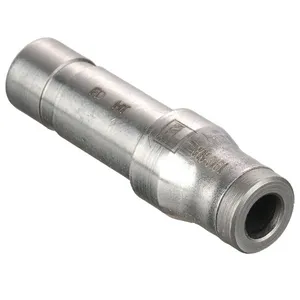 Pneumatic Tubing
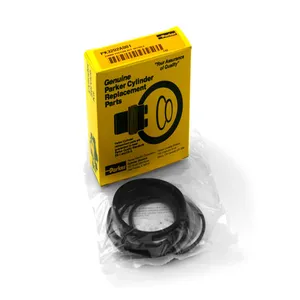 Rod and Piston Seal Kits
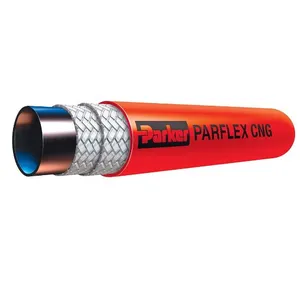 Flexible Gas Hoses
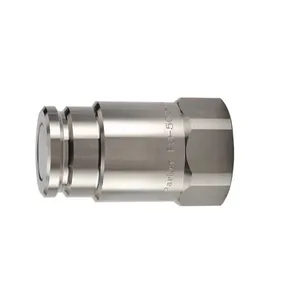 Quick Connect Air Couplings
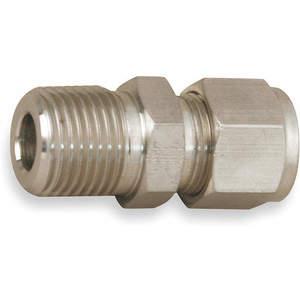 Stainless Steel Pipe Fittings
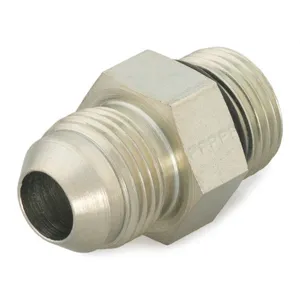 Compression Tube Fittings
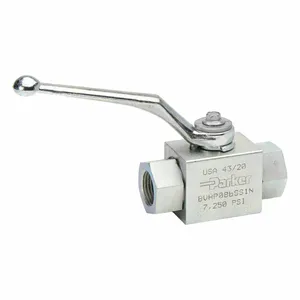 Ball Valves
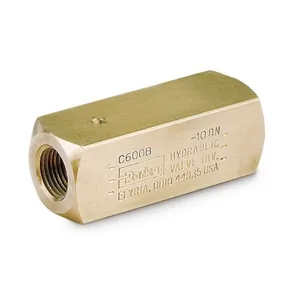 Check and Foot Valves
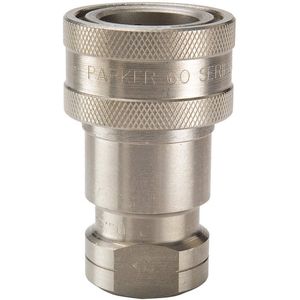 Hydraulic Quick Couplers
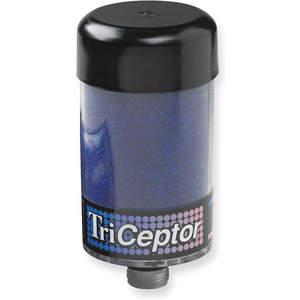 Breathers
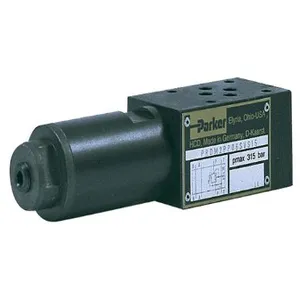 Hydraulic Control Valves
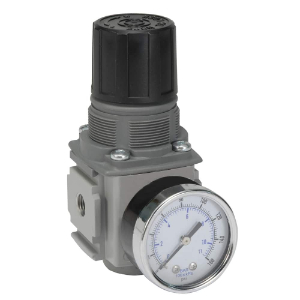 Pressure Regulators
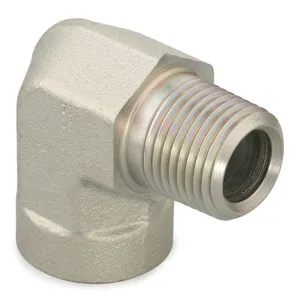 Brass Pipe Fittings
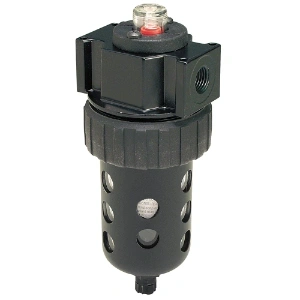 Compressed Air Filters
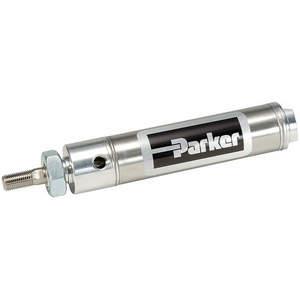 Pneumatic Cylinders
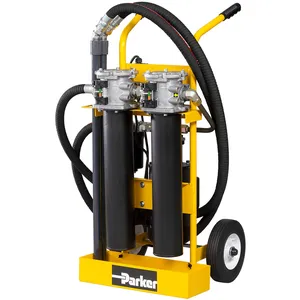 Hydraulic and Oil Filtration Systems
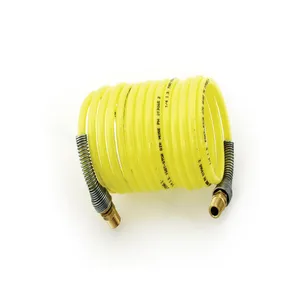 Air Hoses
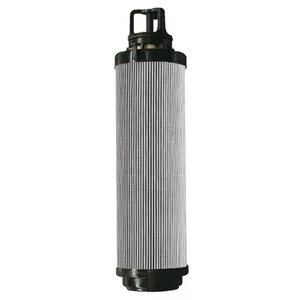 Hydraulic Filter Elements
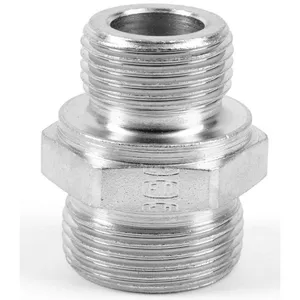 Hydraulic Hose Fittings
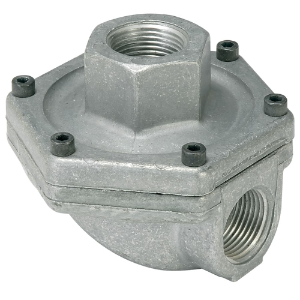 Pneumatic Control Valves
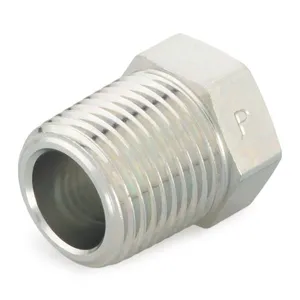 Pipe Fittings
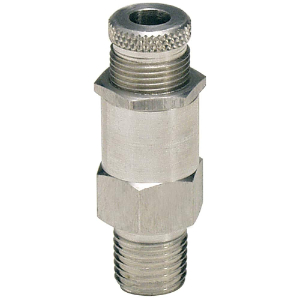 Relief Valves
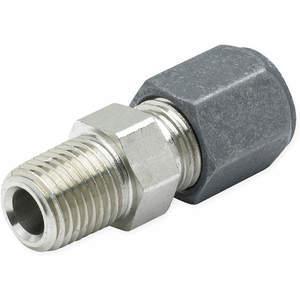 Thermocouple Adapters
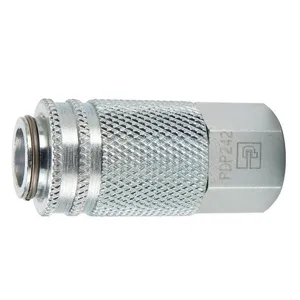 Motion Control Couplings
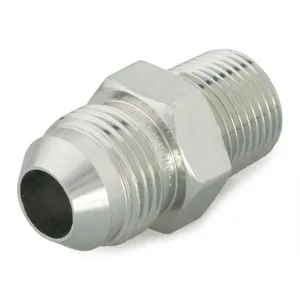 Flared Tube Fittings
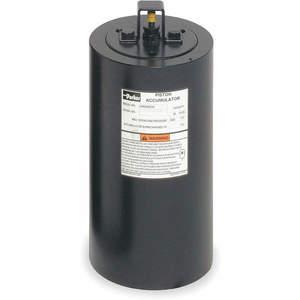 Hydraulic Accumulator
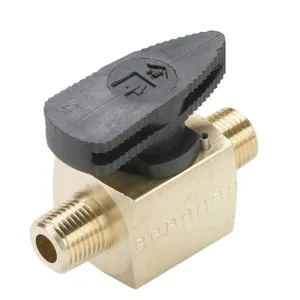 Plug Valves
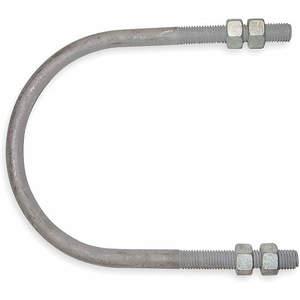 Hydraulic Accumulator Mounts
 Caulks
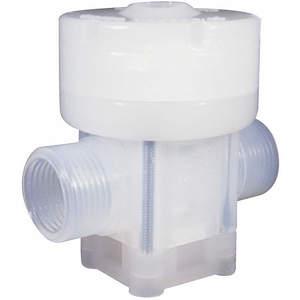 Pneumatically Actuated Diaphragm Valves
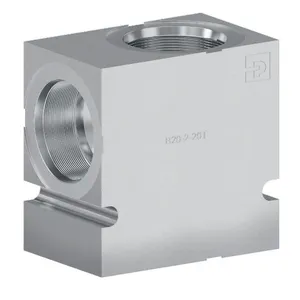 Hydraulic Cartridge Valves
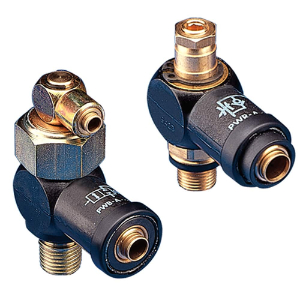 Pilot Air Control Valves
 Nylon Tubing
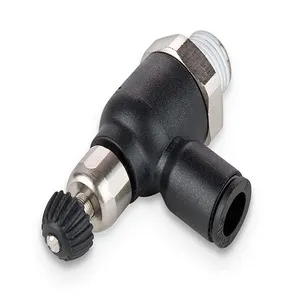 Pneumatic Flow Control And Needle Valves
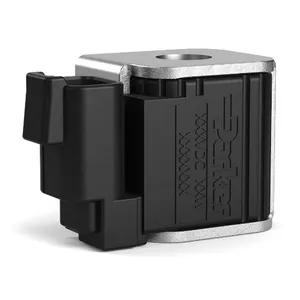 Solenoid Valve Coils
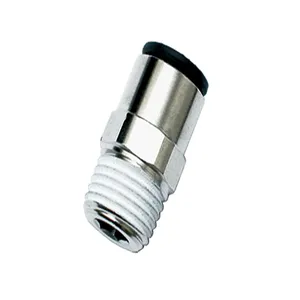 Push to Connect Tube Fittings
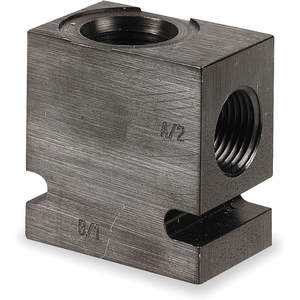 Hydraulic Valve Manifolds
 Pneumatic Check Valves
 Tubing
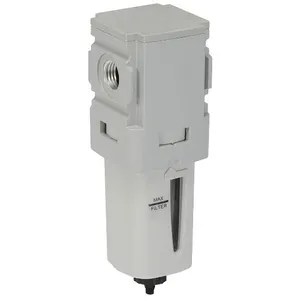 Coalescing Filter Elements
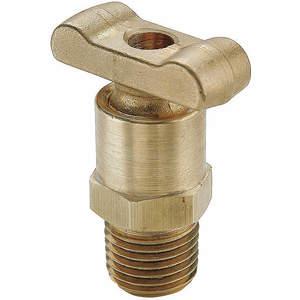 Drain Cocks
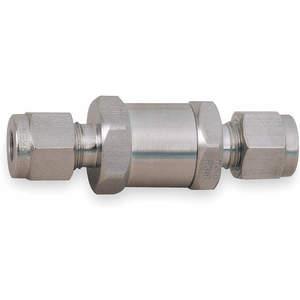 Inline and Tee Filters
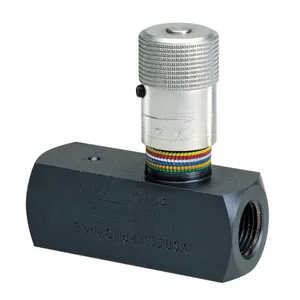 Plumbing Needle Valves
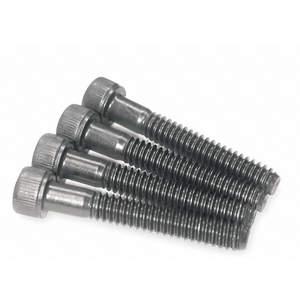 Hydraulic Manifold Valves
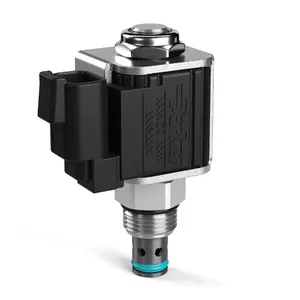 Pilot Solenoid Valves
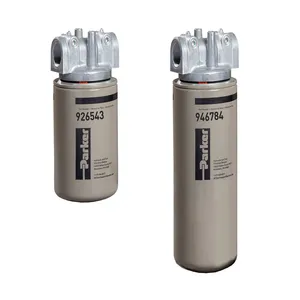 Hydraulic Filters
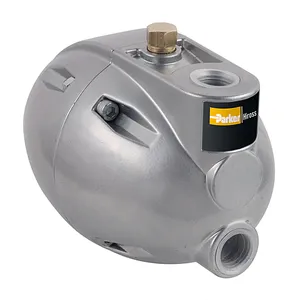 Pneumatic Zero Loss Condensate Drains
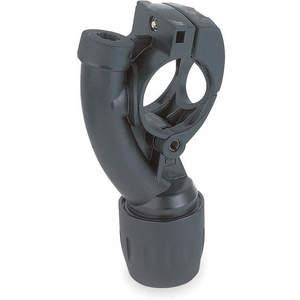 Brackets
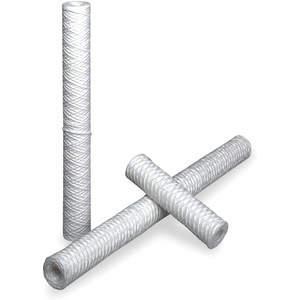 Filter Cartridges
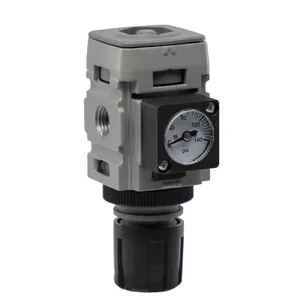 Air Regulators
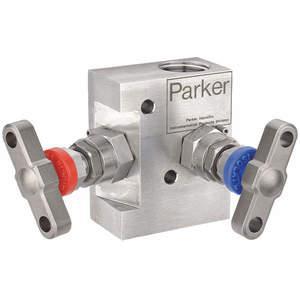 Instrumentation Manifold Valves
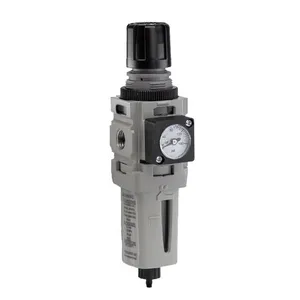 Filter/Regulators
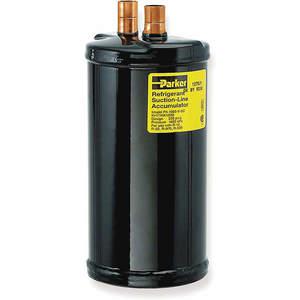 Suction Line Accumulators
 Sealants
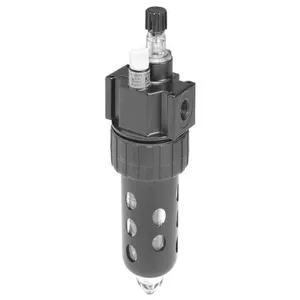 Pneumatic Lubricators
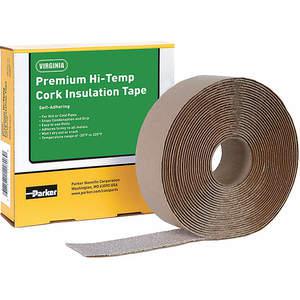 Duct and Cloth Tapes
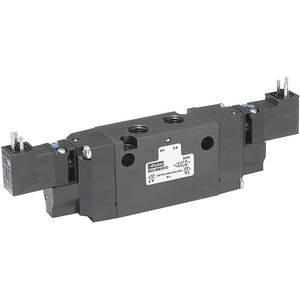 Solenoid Air Control Valves
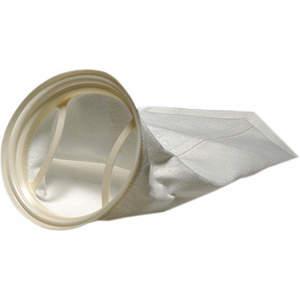 Filter Bags
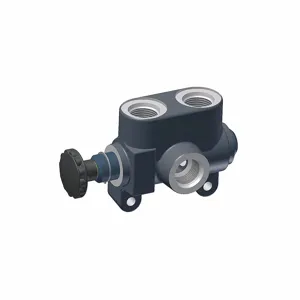 Hydraulic Manual Selector Valves
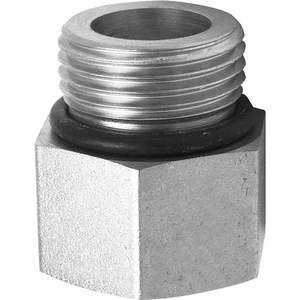 Carbon Steel Pipe Fittings
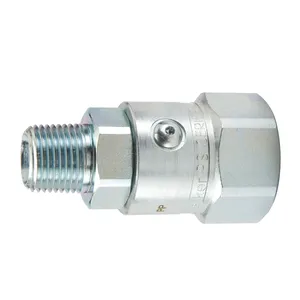 Rotary Joints and Unions
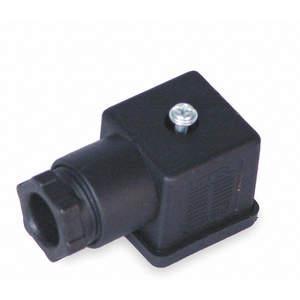 Hydraulic Valve Wire Connectors
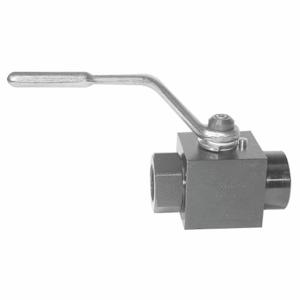 Hydraulic Valves
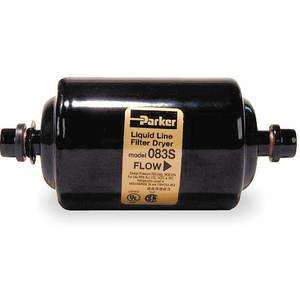 Cooling Filter Dryers
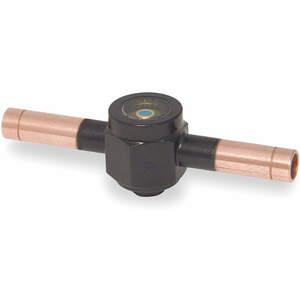 Cooling Sight Glasses
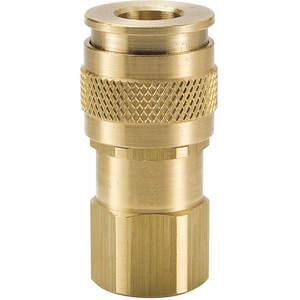 Universal Couplings
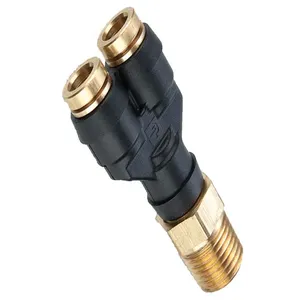 Flexible Metal Conduit Fittings
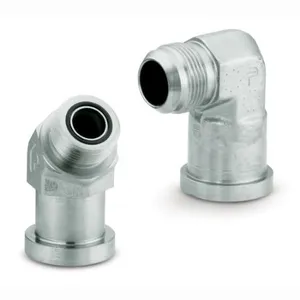 Hydraulic Hose Adapters and Plugs
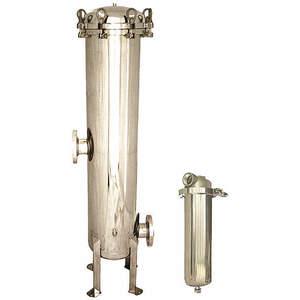 Filter Housings
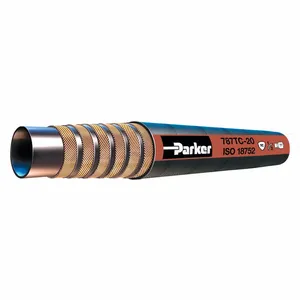 Hydraulic Bulk Hoses
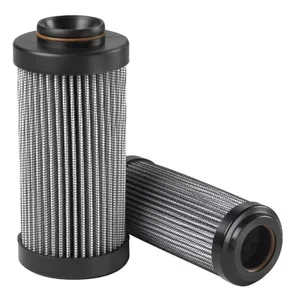 Filtration Systems
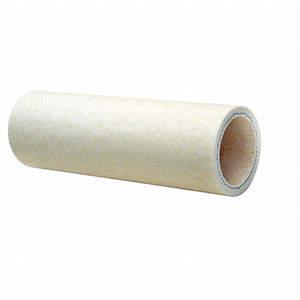 Compressor Air Filter
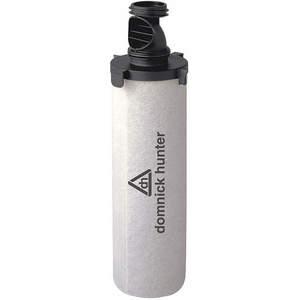 General Purpose Filter Elements
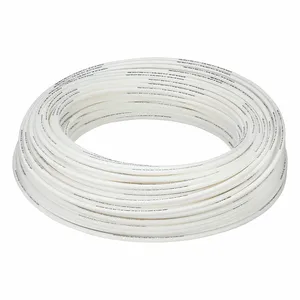 Polypropylene Tubing
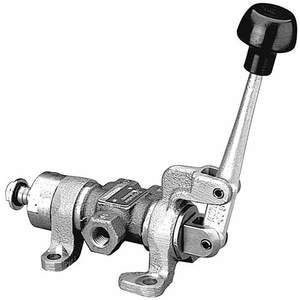 Manual Air Control Valves
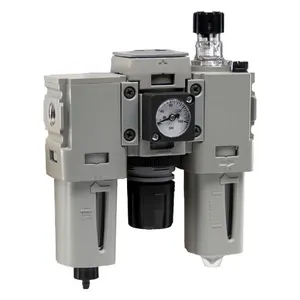 Filter Regulator Lubricators (FRL)
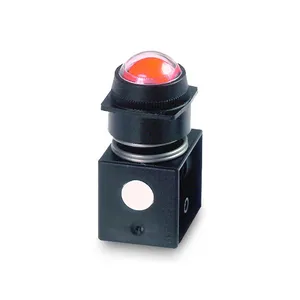 Right-To-Know Labels
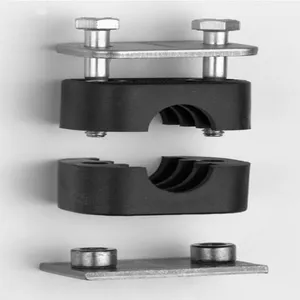 Tube Clamps
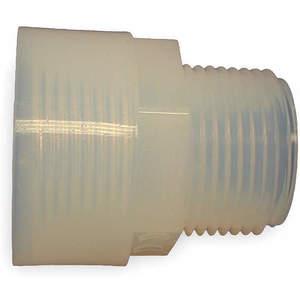 Galvanized Pipe Fittings
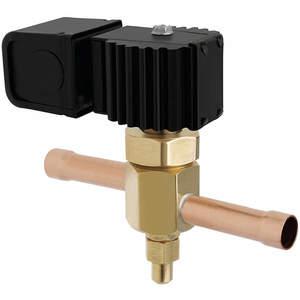 Refrigeration Solenoid Valves
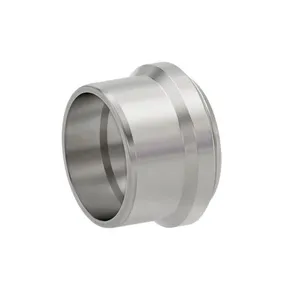 Sanitary Tube Fittings
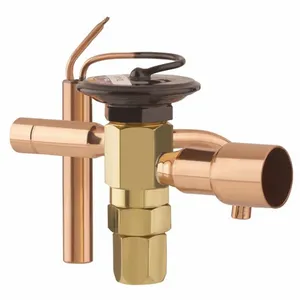 Thermostatic Expansion Valves
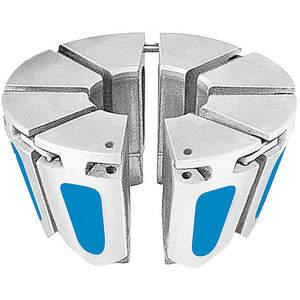 Crimping Tool Dies
 Polyethylene Tube Fittings
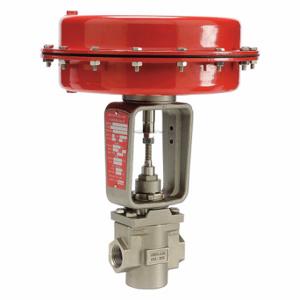 Pneumatic Globe Control Valves
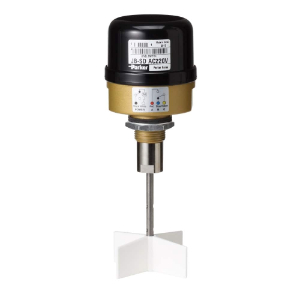 Liquid Level Switches
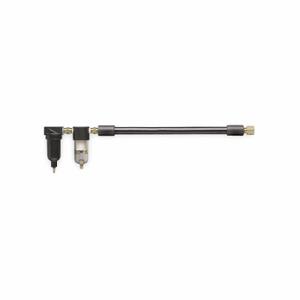 Membrane Air Dryers
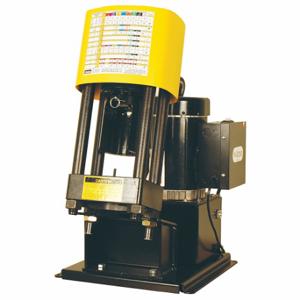 Hose Crimpers
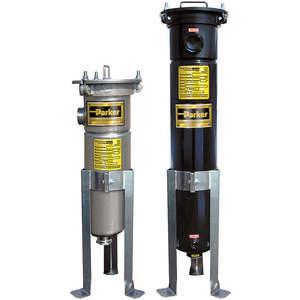 Bag Filter Housings
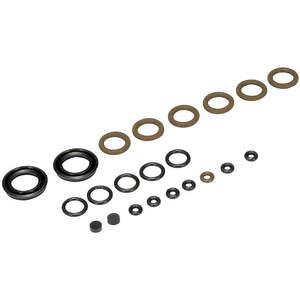 Engine Specialty Tools
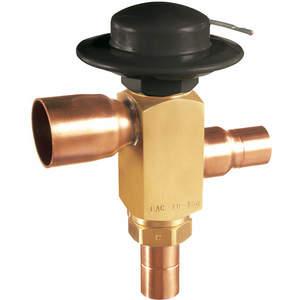 Refrigerant Pressure Regulators
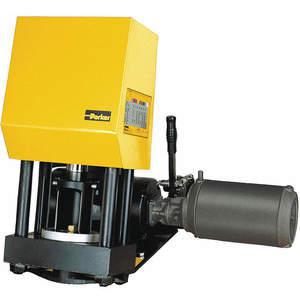 Hydraulic Crimping Tool System
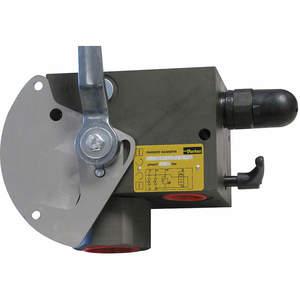 Accumulator Safety Blocks
 Air Brake Tubing
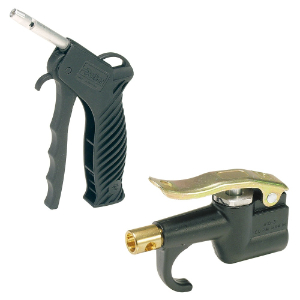 Air Guns
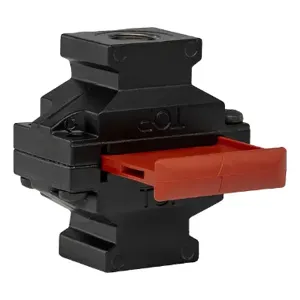 Air Line Lockout Valves
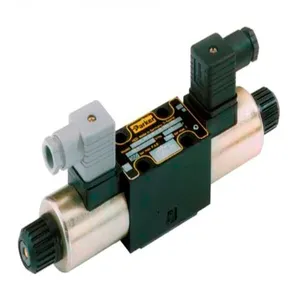 Air Oil and Water Solenoid Valves
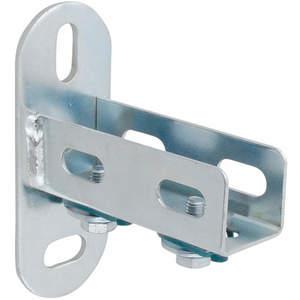 Aluminum Tubing Fittings
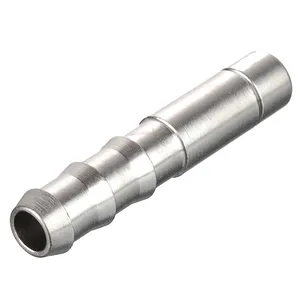 Barbed Tube Fittings
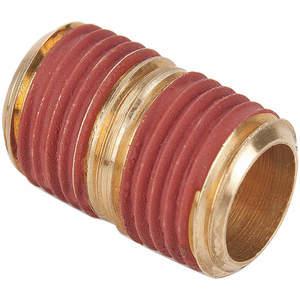 Black Pipe Nipple Assortments
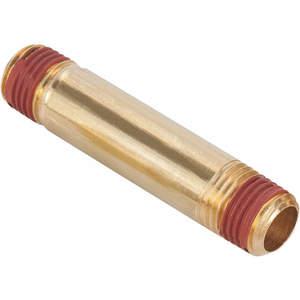 Brass Pipe
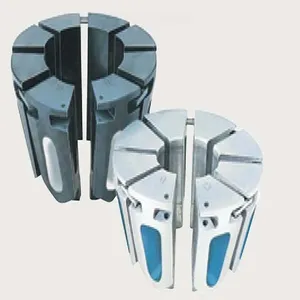 Cable and Wire Crimping Tools
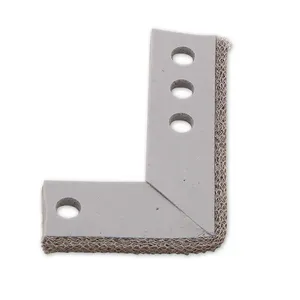 Conduit Body Covers and Gaskets
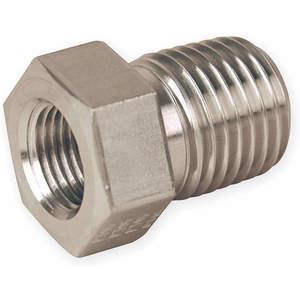 Conduit Fittings
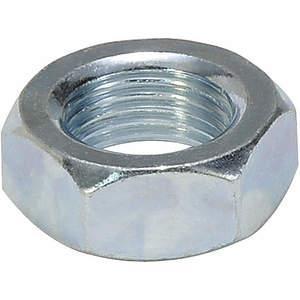 Cylinder Mounting Hardware
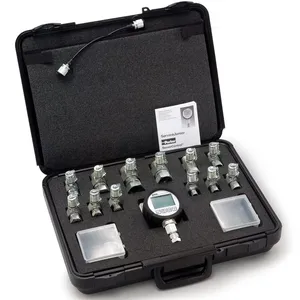 Digital Pressure and Vacuum Gauges
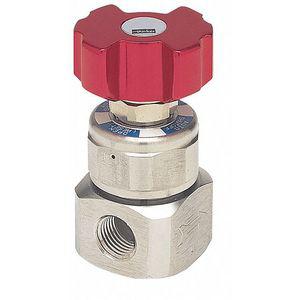 Excess Flow Valves
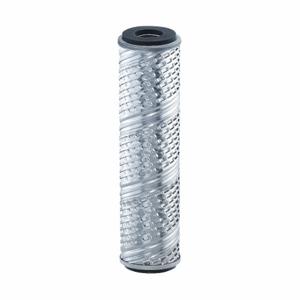 Filter
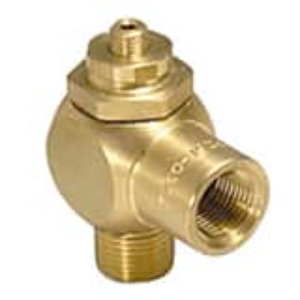 Flow Control Check Valves
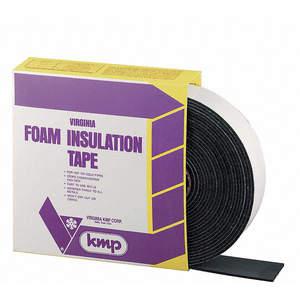 Foam Tape
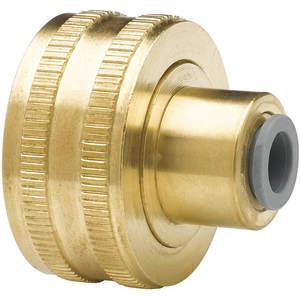 Garden Hose Connectors and Adapters
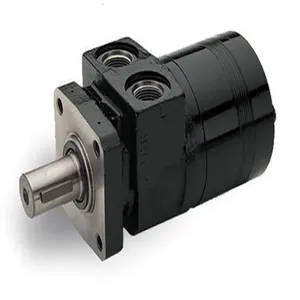 General Purpose Hydraulic Motors
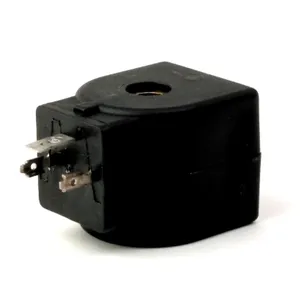 Heat Pump Reversing Valves
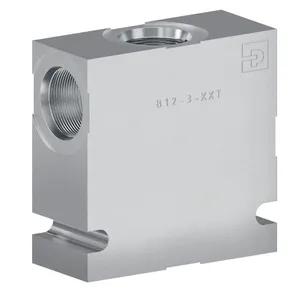 Hydraulic Cartridge Valve Bases
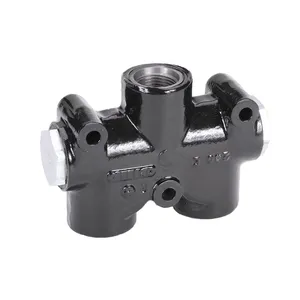 Hydraulic Flow Dividers
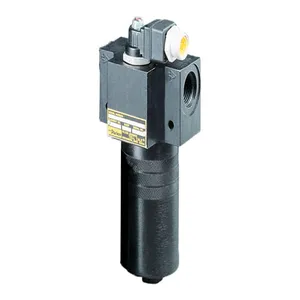 Hydraulic High Pressure Filters
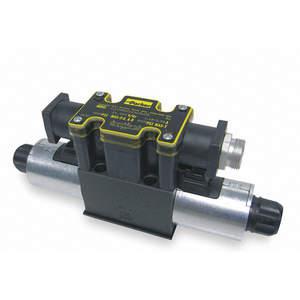 Hydraulic Manual Spool Monoblock Valves
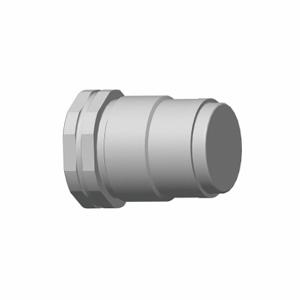 Hydraulic Manual Stack Valve Systems
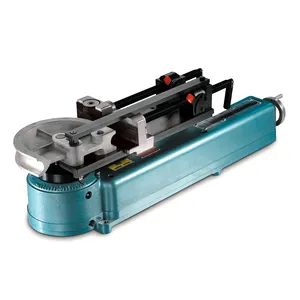 Hydraulic Pipe Bender
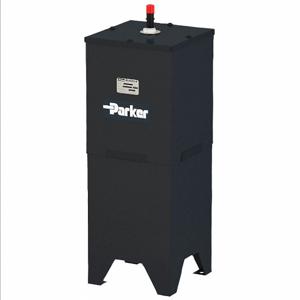 Hydraulic Reservoir Isolators
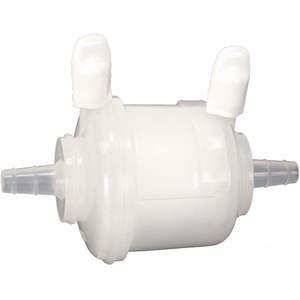 Inline Filters
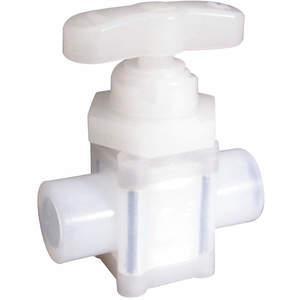 Manual Diaphragm Valves
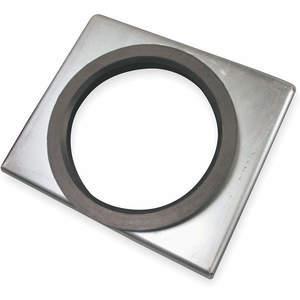 Motor Mounting Bases
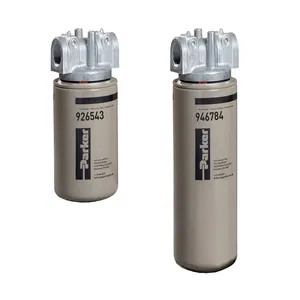 Oil Removal Filters
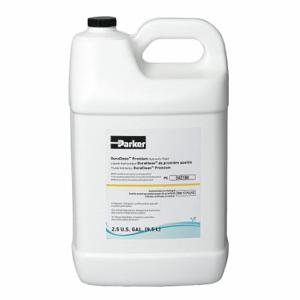 Oils
Oils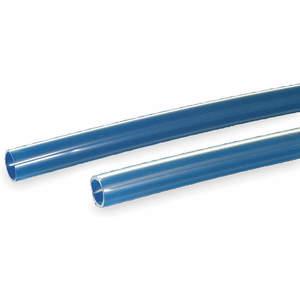 PFA Fluoropolymer Tubing
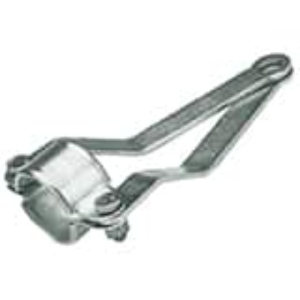 Pipe and Tube Clamps
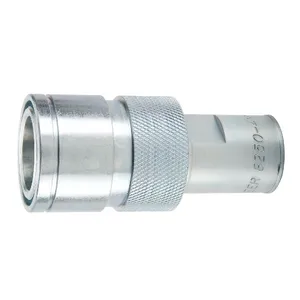 Pipe Couplings
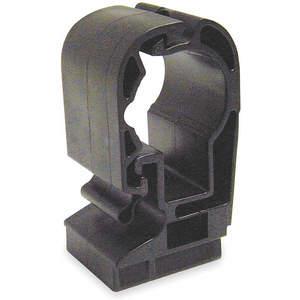 Pipe Hangers and Clamps
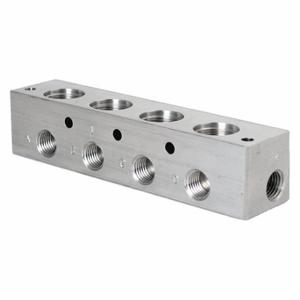 Pipe Manifolds
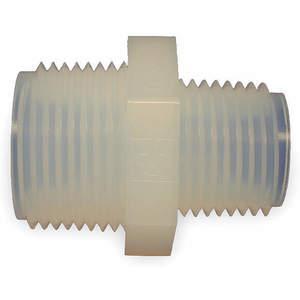 Plastic Tube Fittings
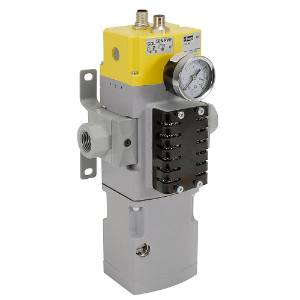 Pneumatic Safety Valves
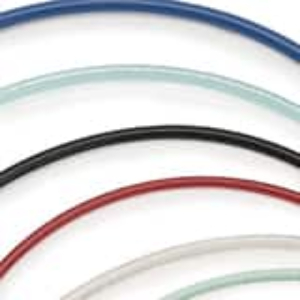 Polyurethane Tubing
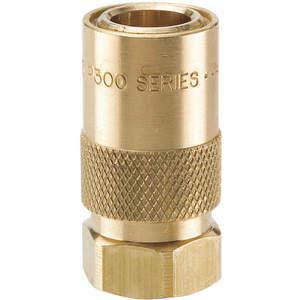 Protective Equipment Cases
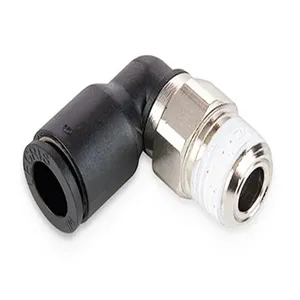 Push On Hose Fittings
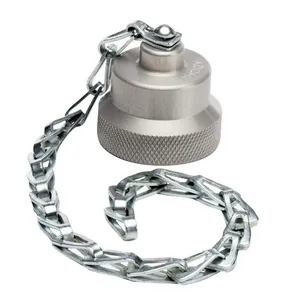 Quick-Disconnect Tube Fittings
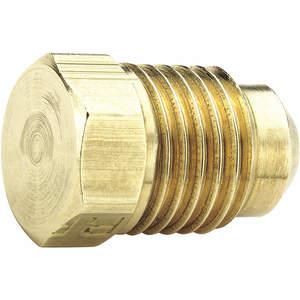 Seal Plugs
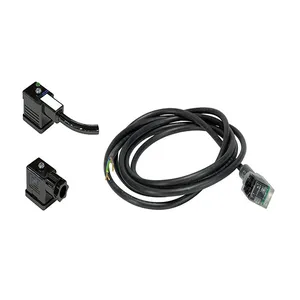 Solenoid Coil Connectors
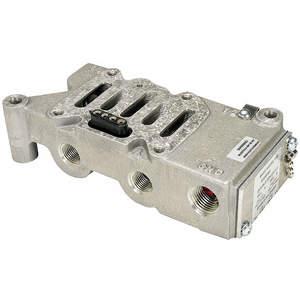 Solenoid Valve Manifolds
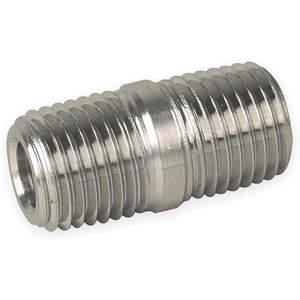 Stainless Steel Pipe
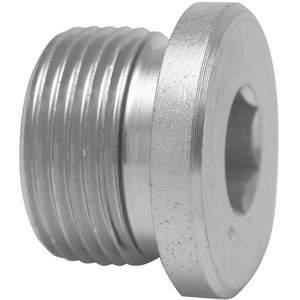 Pushbutton Accessories
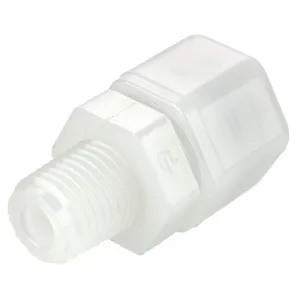 Brass Air Brake Connectors and Accessories
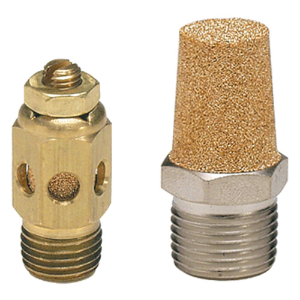 Pneumatic Modular FRL Accessories
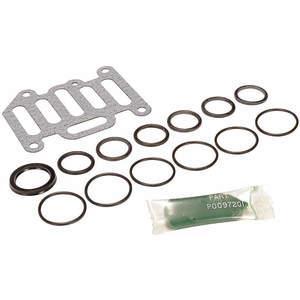 Spray Gun Accessories
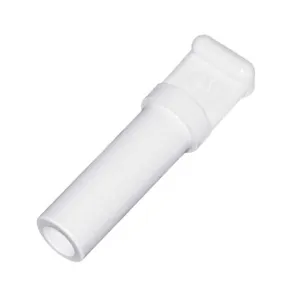 Towing Accessories
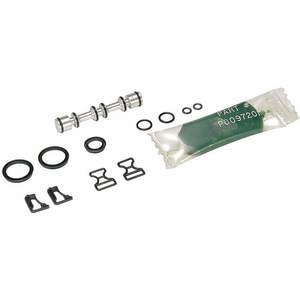 Solenoid Valve Manifold Accessories
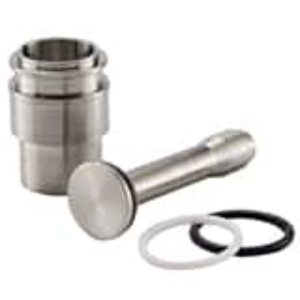 Push to Connect Tube Fitting Accessories
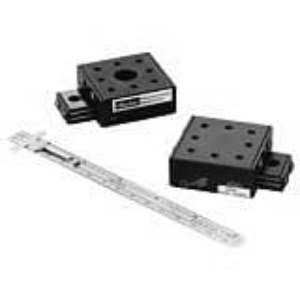 Borescope Accessories
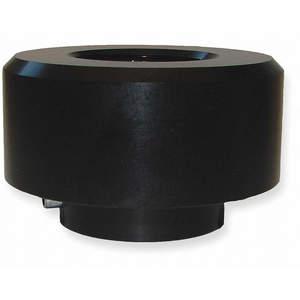 Filtration Breather Accessories
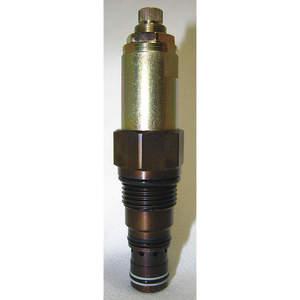 Grease Gun Accessories
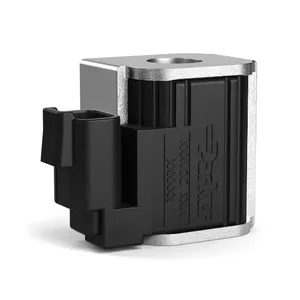 Valve Accessories
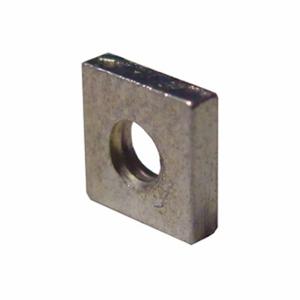 Actuator Accessories
 Adjustable Frequency Drive Accessories
 Air Cleaner Accessories
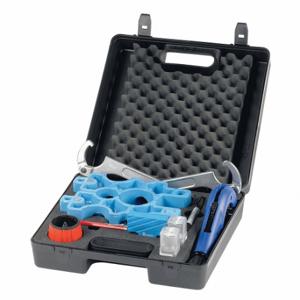 Aluminum Tubing Accessories
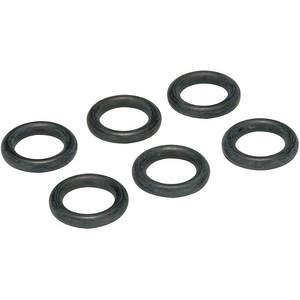 Circulator Pump Accessories
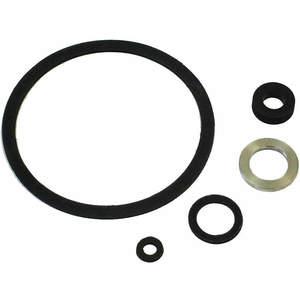 Filtration Accessories
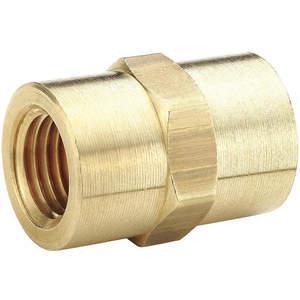 Gearmotor Accessories
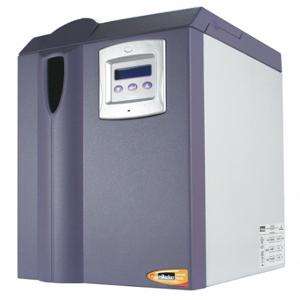 Laboratory Mixer Accessories
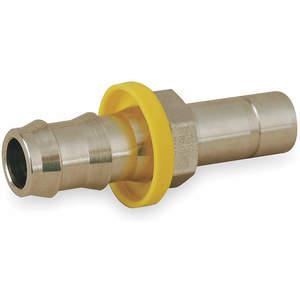 PAPR Accessories
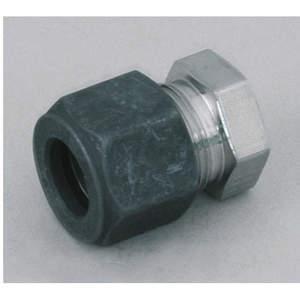 Plasma Cutting Accessories
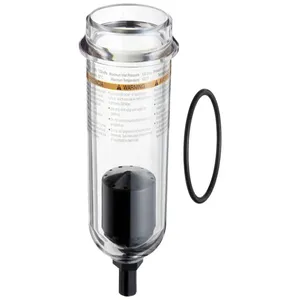 Pneumatic Control Accessories
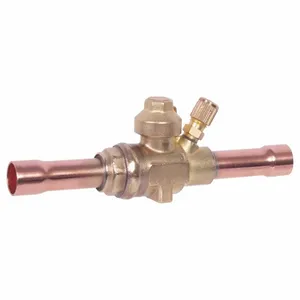 Refrigeration Access Valves
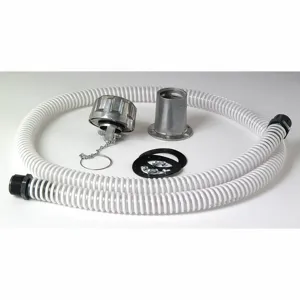 Reservoir Accessories
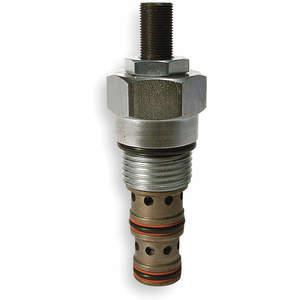 Supplied Air Accessories
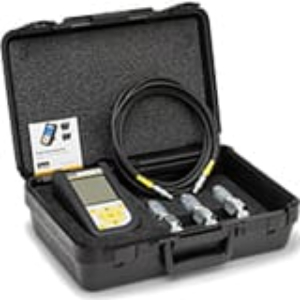 Test Equipment Accessories
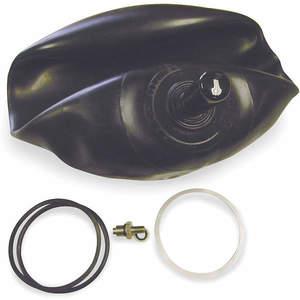 Accumulator Repair Kits
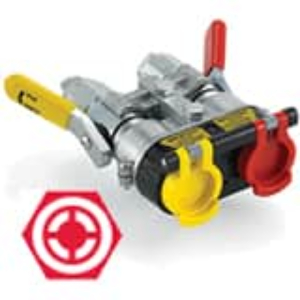 Clamping Kits
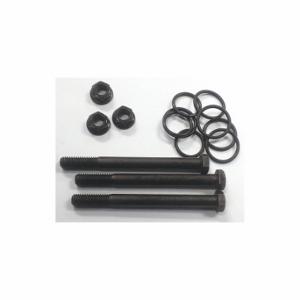 Hydraulic Manual Stack Valve Bolt Kits
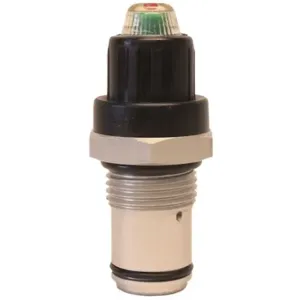 Parts
Parts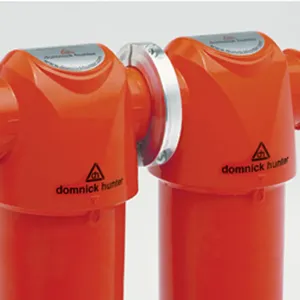 Compressed Air Treatment Replacement Parts
 Motion Sensors
- Intake Filters and Silencers
- Air Powered Hydraulic Pumps
- Flange
- Hydraulic Industrial Cylinder Mounts
- Woodruff Key Stock
- Mounted Linear Bearings
- Diaphragm Compressor/Vacuum Pump
- Pneumatic Relays
- Linear Guide Rail Carriage Assemblies
- Penetrants and Lubricants
- Retaining Rings
- Rotary Actuators
- Gas Springs and Dampers
- Pneumatic Cylinder Controls
- Hydraulic General-Purpose Hose Assy.
- Rotary Tool Accessories
Frequently asked questions
How do I select the correct Parker hydraulic hose for my system?
Hydraulic hose selection should consider operating pressure, fluid type, temperature range, bend radius, flow requirements, and environmental conditions. Matching these factors helps ensure safe and reliable hose performance.
What is the difference between Parker hydraulic and pneumatic fittings?
Hydraulic fittings are designed to withstand significantly higher pressures and fluid-based systems, while pneumatic fittings are optimized for compressed air applications and typically operate at lower pressures.
Why is hose bend radius important when installing Parker hoses?
Exceeding the minimum bend radius can cause hose deformation, reduced flow, premature wear, and potential failure. Proper routing helps maximize hose life and system reliability.
How often should Parker hydraulic filters be replaced?
Filter replacement intervals depend on operating conditions, contamination levels, fluid cleanliness requirements, and manufacturer recommendations. Monitoring pressure drop and fluid condition can help determine replacement timing.
Can Parker quick disconnect couplings be connected under pressure?
Some Parker coupling designs support connection under residual pressure, while others require pressure relief before coupling. Users should verify the specifications of the selected coupling series.