
About Gast
Gast manufactures air compressors, vacuum pumps, air motors, and pneumatic system components designed for applications requiring reliable airflow, vacuum generation, and compressed air power. Its product portfolio includes rotary vane compressors, diaphragm compressors, regenerative blowers, piston compressors, vacuum pumps, and air motors.
Gast rotary vane compressors and vacuum pumps are engineered to provide continuous-duty performance, stable airflow, and low maintenance requirements. Their oil-less designs help deliver clean air and vacuum generation while reducing contamination risks in sensitive applications. Available in multiple flow rates and pressure ranges, these units support demanding industrial, laboratory, medical, and OEM requirements.
The brand's air motors are designed to operate in environments where electric motors may not be suitable. Featuring variable speed control, high power-to-weight ratios, and spark-free operation, Gast air motors provide reliable performance in hazardous, wet, and high-temperature operating conditions.
Whether you need Gast air compressors, vacuum pumps, air motors, or replacement components, ChatMRO helps businesses source the right products quickly and efficiently. Our team supports RFQ submissions, bulk purchasing requirements, and hard-to-find industrial parts sourcing to help minimize downtime.
Product categories
39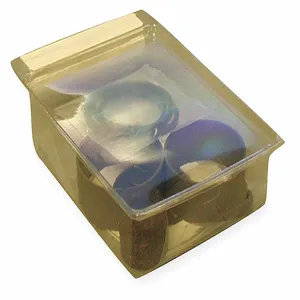 Parts Kit
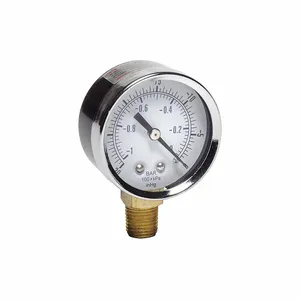 Pressure and Vacuum Gauges
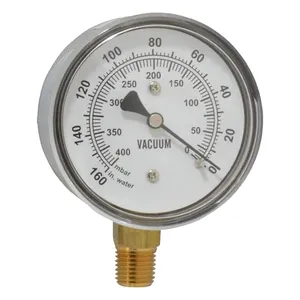 Regenerative Blower Relief Valves
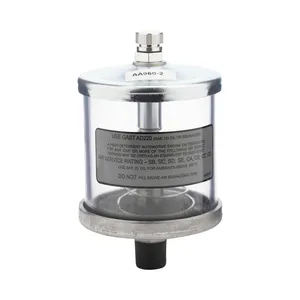 Oilers and Reservoirs
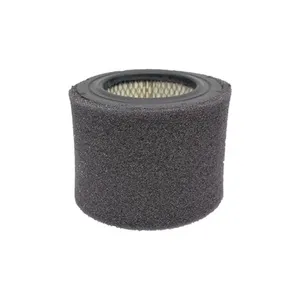 Intake Filters and Silencers
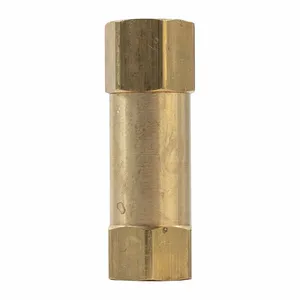 Pneumatic Check Valves
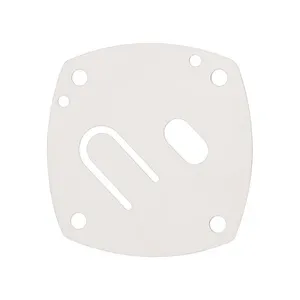 Compressor Valves
 Bottles and Jars
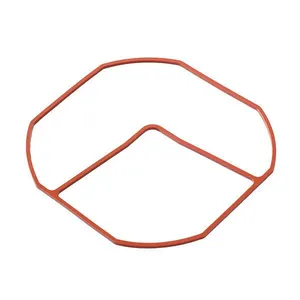 O-Rings
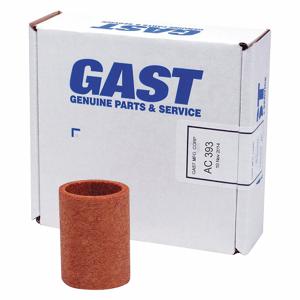 Filter Cartridges
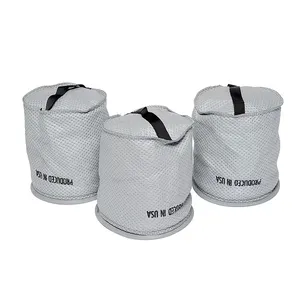 Filter Bags
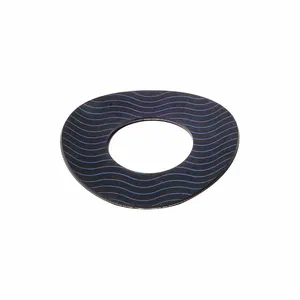 Valve Accessories
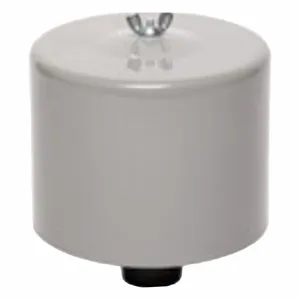 Regenerative Blower Inlet Filters
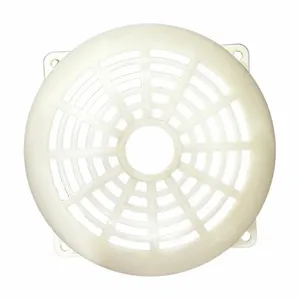 Fan Guards
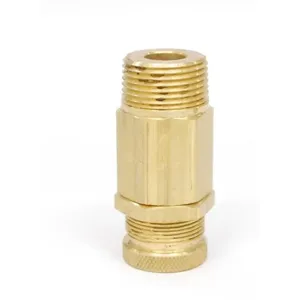 General Purpose Filter Elements
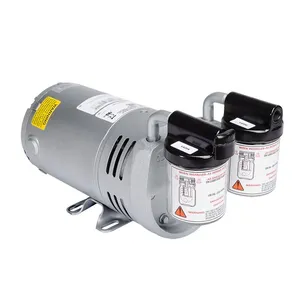 Rotary Vane Pumps
 Vacuum and Pressure Relief Valves
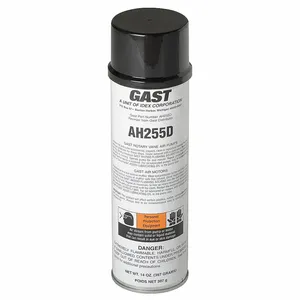 Compressor Oil
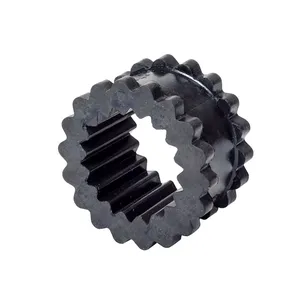 Universal Couplings
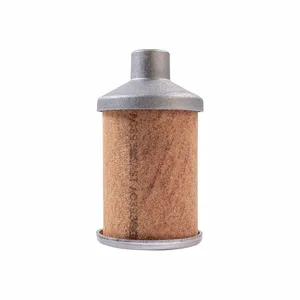 Filter
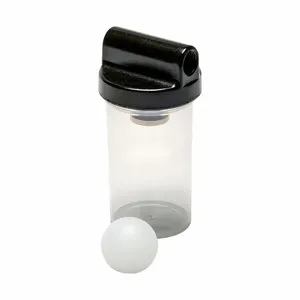 Laboratory Air Compressors
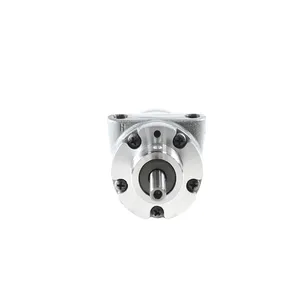 Air Motors
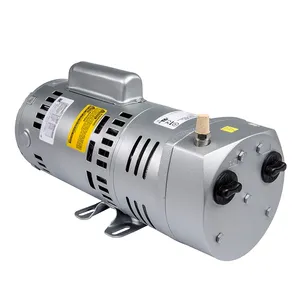 Rotary Vane Compressor/Vacuum Pump
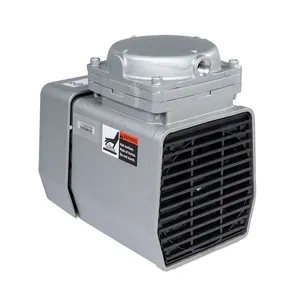 Diaphragm Compressor/Vacuum Pump
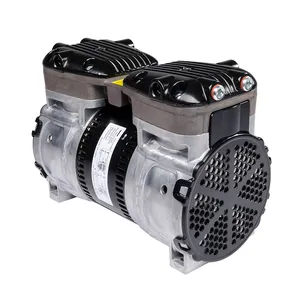 Piston Air Compressor/Vacuum Pump
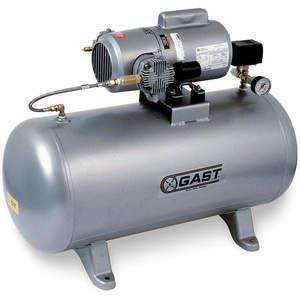 Stationary Electric Air Compressors
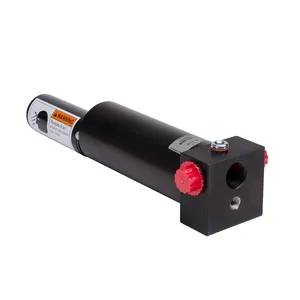 Vacuum Pumps
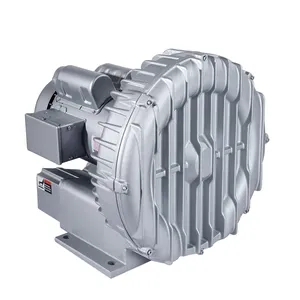 Regenerative Blowers
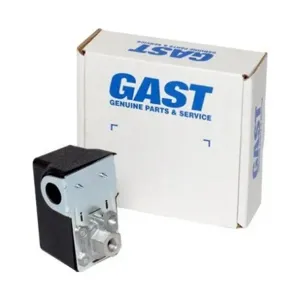 Pressure and Vacuum Switches
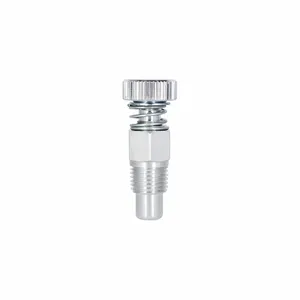 Vacuum Regulators
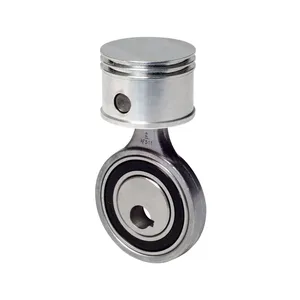 Parts
Parts Pneumatic Control Accessories
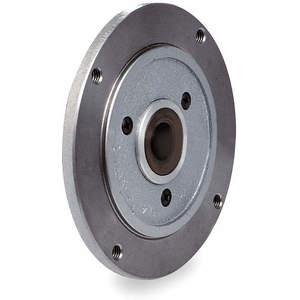 Pneumatic Modular FRL Accessories
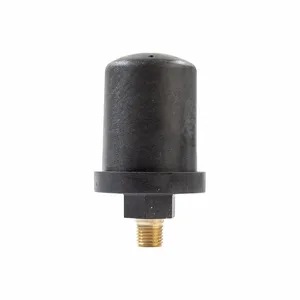 Pneumatic Muffler
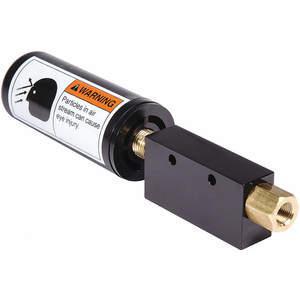 Vacuum Ejectors
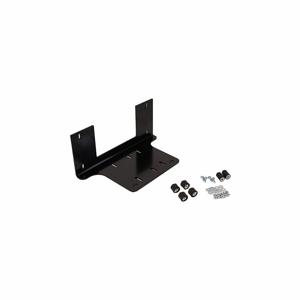 Brackets
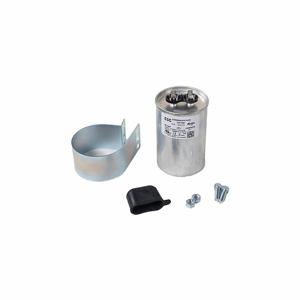 Capacitors
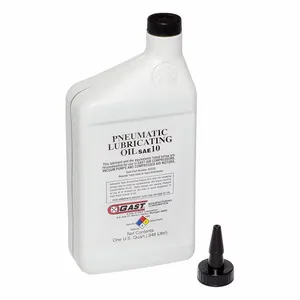 Oils
Oils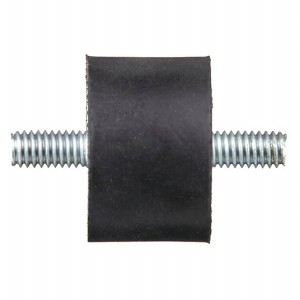 Cylindrical Vibration Isolators
Frequently asked questions
Why are Gast air motors preferred in hazardous environments?
Pneumatic air motors operate without electrical sparks, making them suitable for environments where flammable materials may be present.
What is the difference between a Gast vacuum pump and an air compressor?
Vacuum pumps create negative pressure for suction applications, while compressors generate positive pressure for air delivery applications.
What factors affect vacuum pump performance?
System leakage, filter condition, operating altitude, maintenance practices, and application requirements all influence performance.